
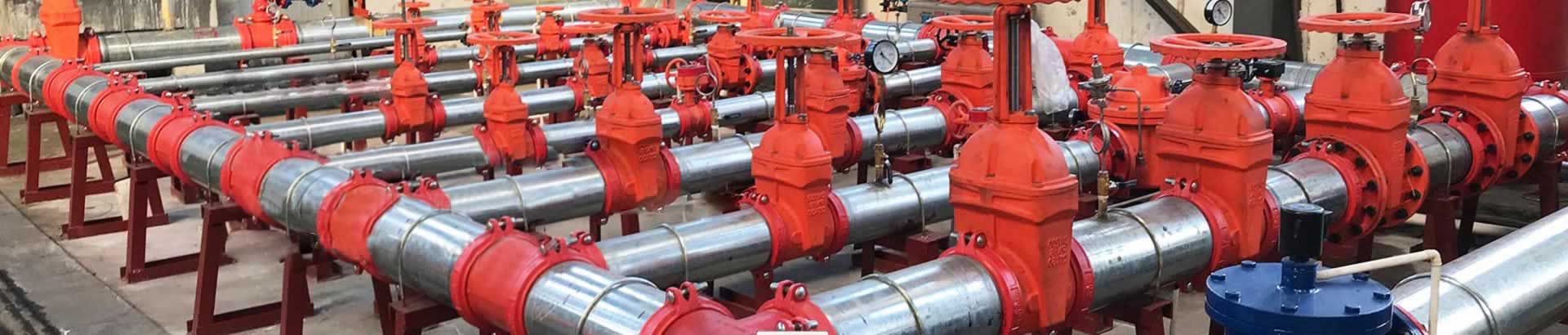

Overcoming Hydraulic Inefficiencies and Scaling Challenges in Modern Water Networks
Municipal potable water distribution plants, reverse osmosis desalination facilities, and industrial wastewater reclamation systems face mounting pressure to reduce energy consumption and eliminate nonrevenue water losses. Across complex filtration skids and chemical dosing manifolds, plant operators routinely battle severe operational bottlenecks including biofilm fouling, chloride stress corrosion cracking, cavitation erosion, and destructive water hammer surges during pump trips. Relying on outdated manual isolation gear or poorly matched automated assemblies from an unverified water treatment valve supplier frequently leads to erratic flow modulation, premature elastomer swelling, and actuator motor burnouts. Field audits across modern water utility networks demonstrate that a substantial portion of unplanned filtration downtime stems from improper valve sizing and inadequate stem seal protection against abrasive suspended solids. When aggressive disinfectants like sodium hypochlorite or ozone attack inferior cast bodies and unlined discs, internal corrosion byproducts contaminate downstream reverse osmosis membranes and jam seating surfaces. Partnering with an experienced water treatment valve supplier allows process engineers to integrate low torque valve geometries with intelligent actuation packages, stabilizing hydraulic pressures and safeguarding continuous water purification performance.
International Compliance Standards and Automated Flow Modulation Trends
Transitioning from basic manual shutoff to intelligent, automated fluid handling requires strict adherence to global mechanical and environmental engineering codes. Every qualified water treatment valve supplier designs automated flow control assemblies around ISO 5211 top mounting flange standards, enabling direct, backlash free coupling with electric, pneumatic, and electrohydraulic actuators. For municipal and industrial pipeline compatibility, core valve bodies must conform to EN 593 and AWWA C504 for butterfly valves, DIN 3352 and AWWA C509 for resilient seated gate valves, and EN 12266 or API 598 for zero leakage pressure validation. Simultaneously, potable water installations require non toxic elastomers and fusion bonded epoxy barriers compliant with WRAS, NSF 61, or ACS hygienic directives. Beyond structural compliance, the global water industry is rapidly adopting smart flow control architectures connected to supervisory control and data acquisition networks via Modbus, Profibus, HART, and Foundation Fieldbus protocols. Modern modulating valves utilize precision digital positioners accepting four to twenty milliampere control signals to adjust disc angles dynamically based on real time turbidity, pH, and flowmeter feedback. Furthermore, a forward looking water treatment valve supplier equips automated packages with torque sensing diagnostics that detect mineral scaling or seat friction early, enabling predictive maintenance before pipeline blockages occur.
Technical Comparison of Automated Water Treatment Valves and Metallurgy
Selecting the optimal valve configuration and corrosion resistant metallurgy depends heavily on chloride concentration, oxidation potential, and throttling frequency across each treatment stage. Centerline resilient seated butterfly valves featuring vulcanized EPDM or PTFE liners dominate raw water intake andmultimedia filtration backwash lines where compact wafer installation and bubble tight bidirectional shutoff are essential. Conversely, high pressure membrane feed headers and desalination brine recovery loops require double offset butterfly valves, stainless steel ball valves, or duplex alloy check valves engineered to withstand elevated osmotic pressures and severe salinity. Meanwhile, actuated resilient wedge gate valves and cast iron Y strainers protect main transfer pump stations from debris damage. The comparison table below outlines the technical specifications, international standards, and material configurations of primary water treatment valves manufactured by Leflow.
| Valve Configuration | Primary Design Standards | Body and Disc Metallurgy | Liner, Trim, and Actuation Options |
|---|---|---|---|
| Centerline Butterfly Valve | EN 593, API 609, AWWA C504 | Ductile Iron GGG40, Cast Steel WCB, SS316 | EPDM, NBR, or PTFE Seat Liner, Pneumatic or Electric ISO 5211 Actuator |
| Double Offset Butterfly Valve | API 609, EN 593, ASME B16.34 | Carbon Steel WCB, Stainless Steel CF8M, Duplex F51 | RPTFE or Metal Seat, Low Torque Eccentric Stem, Modulating Positioner |
| Resilient Seat Gate Valve | DIN 3352, BS 5163, AWWA C509 | Ductile Iron GGG40, GGG50, Grey Iron GG25 | Fully Vulcanized EPDM Wedge, Fusion Bonded Epoxy Coating, Bevel Gear or Electric Drive |
| Stainless Steel Ball and Check Valve | API 608, ASME B16.34, DIN 3202 | Stainless Steel ASTM A351 CF8, CF8M, Duplex F53 | PTFE or PPL Seats, Spring Loaded Wafer or Swing Check, Pneumatic Rack and Pinion |
Metallurgical precision directly dictates lifecycle longevity across diverse water chemistries. While ductile iron GGG40 protected by thick fusion bonded epoxy serves fresh water and municipal sewage applications reliably, brackish water and seawater desalination plants rapidly pit standard carbon steel and basic stainless grades. A knowledgeable water treatment valve supplier specifies molybdenum enriched ASTM A351 CF8M stainless steel, duplex stainless steel F51, or super duplex F53 internals to resist crevice corrosion and microbiologically influenced corrosion in high salinity streams.
Actuator Calibration Protocols and Hydrostatic Testing on the Factory Floor
Integrating smart actuators onto industrial valve bodies requires rigorous mechanical alignment, torque verification, and pressure testing on the factory floor before shipment. When auditing a water treatment valve supplier, engineering contractors must verify that actuator sizing calculations incorporate adequate safety factors above maximum breakaway and dynamic seating torques. Imprecise machining on stem coupling brackets introduces side loading that wears out stem bushings and causes fugitive gland leakage during high frequency backwash cycling. To prevent these failures, premier manufacturing facilities utilize CNC machining centers to finish ISO 5211 mounting pads and stem drives to tight concentricity tolerances. Every raw casting batch undergoes optical emission spectroscopy for chemical composition alongside tensile and hardness testing to verify structural integrity. For epoxy coated iron valves, quality inspectors execute magnetic film thickness checks and high voltage holiday spark testing to ensure pinhole free corrosion barriers. Once pneumatic or intelligent electric actuators are mounted, technicians calibrate open and close travel stops, verify fail safe spring return response times, and test analog signal linearity across the full throttling range. Finally, every completed assembly undergoes hydrostatic shell testing at 1.5 times rated pressure and low pressure seat closure testing strictly following EN 12266 and API 598 protocols.
Smart Water Infrastructure Applications and OEM Engineering Value from Leflow
Field modernization projects highlight how synchronized valve and actuator engineering lowers operational expenses across automated water treatment facilities. In a recent industrial wastewater recycling and reverse osmosis filtration upgrade, plant operators previously suffered frequent membrane pressure spikes and chemical dosing inaccuracies caused by sluggish, high friction valves. By installing Leflow pneumatic wafer butterfly valves with polished SS316 discs, PTFE lined chemical ball valves, and ductile iron nonslam check valves integrated with smart electro pneumatic positioners, the facility stabilized transmembrane pressure and reduced compressor air consumption substantially. Delivering reliable, automated fluid control assemblies requires a water treatment valve supplier with comprehensive engineering expertise and strict production oversight. Located in Shijiazhuang, Leflow brings over twenty years of specialized manufacturing and OEM development experience serving the water treatment, chemical, power generation, paper, marine, construction, and petroleum industries. Operating under a stringent quality control plan enforced from raw foundry casting to final dispatch, Leflow maintains complete inhouse inspection and testing facilities capable of chemical element analysis, mechanical property testing, and nondestructive examination. Whether supplying standard butterfly valves, gate valves, check valves, globe valves, and Y strainers or developing customized smart valve packages for complex filtration skids, partnering with an established water treatment valve supplier like Leflow guarantees verified material traceability, precise flow modulation, and dependable global delivery.
Frequently Asked Questions
How do smart actuated valves improve water treatment plant efficiency?
Smart actuated valves integrate digital positioners and torque sensors with plant SCADA networks to modulate flow rates automatically based on real time sensor data. This precise control optimizes chemical dosing, prevents filter backwash pressure surges, reduces pump energy consumption, and provides early diagnostic alerts for seat wear or scaling.
Which valve materials resist corrosion best in seawater desalination plants?
For high salinity seawater and brine streams, standard cast iron or basic stainless steels suffer rapid chloride pitting. Engineers specify nylon or epoxy coated ductile iron bodies paired with duplex stainless steel ASTM A890 4A, super duplex 5A, or titanium discs and stems for superior crevice corrosion resistance.
Why are resilient seated butterfly valves widely used in filtration skids?
Resilient seated butterfly valves offer a compact, lightweight wafer or lug footprint that minimizes piping support loads on crowded filtration skids. Their quarter turn operation enables rapid pneumatic automation for frequent backwash cycles, while full bore elastomer liners isolate the outer metal body completely from corrosive process water.