
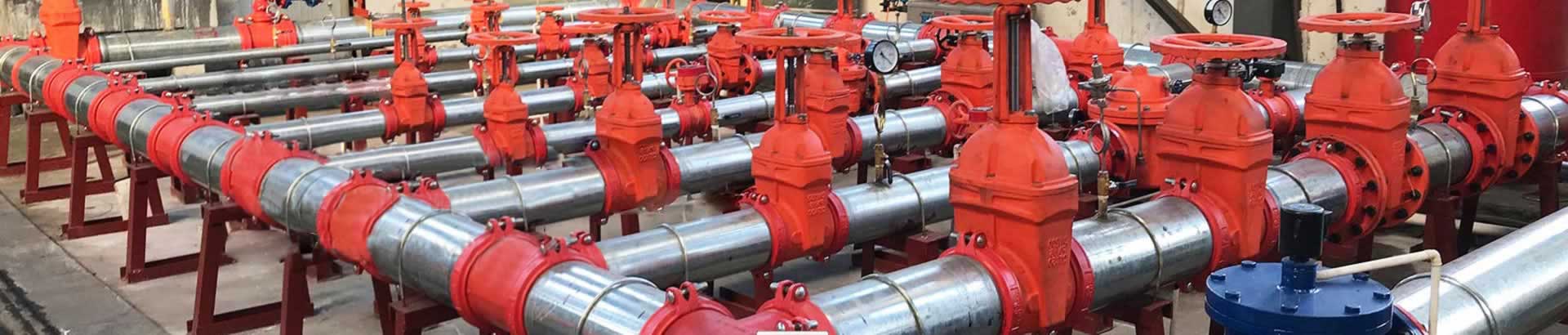

A balancing valve is a key component in fluid distribution systems, designed to ensure uniform flow to all branches of a pipeline. By maintaining correct flow rates, balancing valves improve system efficiency, reduce energy waste, and prevent uneven heating or cooling in HVAC and industrial systems.
Working Principle
Balancing valves operate by introducing a controlled flow restriction in the pipeline. This restriction can be adjustable or fixed, depending on the valve type (static or dynamic).
- Flow Measurement: The system designer determines the required flow for each branch.
- Orifice Adjustment: The valve is set to create the precise resistance needed to achieve the target flow.
- Flow Regulation: As fluid passes through the valve, the restriction balances the pressure drop across the branch, ensuring that all branches receive the intended flow, even if system pressure fluctuates.
- Locking Mechanism: Adjustable valves often have a locking feature to prevent accidental changes once the desired flow is set.
Key Points:
- Static Balancing Valves: Flow is set manually and remains constant.
- Dynamic Balancing Valves: Automatically adjust to maintain flow despite pressure changes.
Applications
- HVAC systems for uniform heating/cooling
- District heating and cooling networks
- Industrial fluid distribution
- Water supply and process control systems
Benefits
- Energy savings by optimizing pump operation
- Reduced noise and vibration
- Protection for equipment and extended system life
- Enhanced comfort and operational efficiency
Balancing valves are simple yet essential for any properly designed fluid system, ensuring precise flow control and reliable operation.